Getting an NIE number in Spain takes between one hour and three weeks depending on where you apply and whether you book ahead. This guide is for non-Spanish nationals who need an NIE to work, register as autónomo, open a bank account, or sign a contract in Spain. It does not cover the TIE (residency card) or NIE via power of attorney. The most common mistake is showing up without a completed EX-15 form or without a reason document. Both will get your appointment turned away.
TL;DR: how to get your NIE
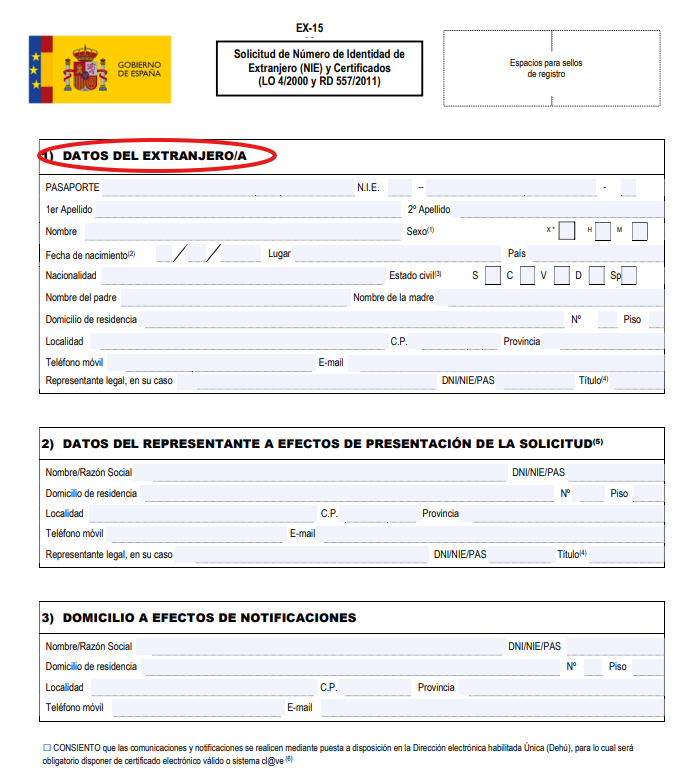
Fill in form EX-15 (free download from the Interior Ministry website)
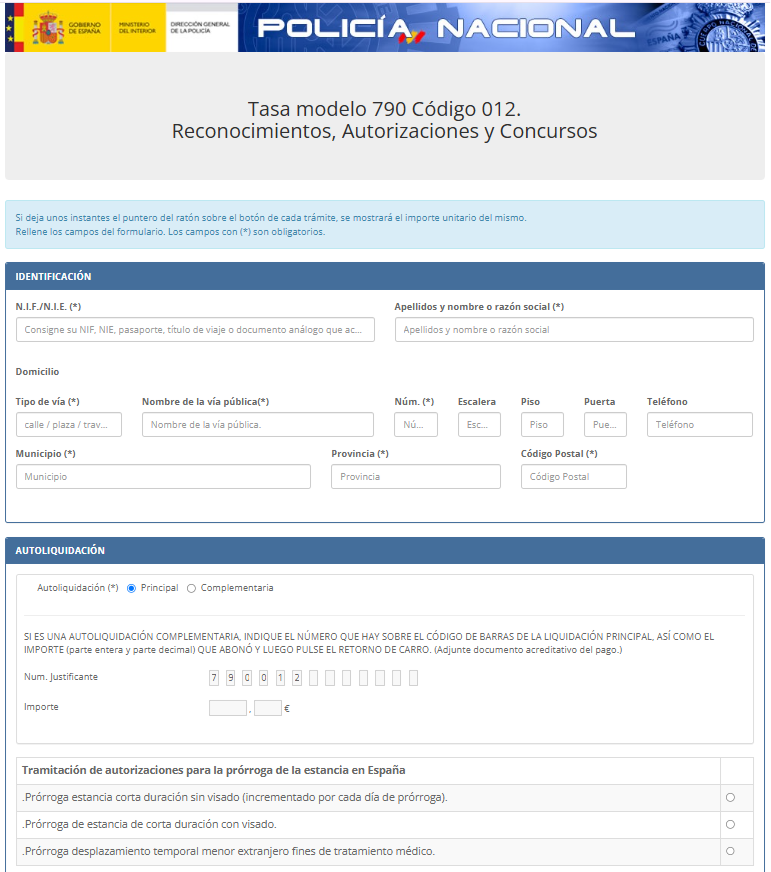
Pay the Tasa 790, código 012 (around 10.71 euros) at any bank or online
Book an appointment at a Comisaria de Policía Nacional or Oficina de Extranjería
Show up with: EX-15, Tasa 790 receipt, passport + photocopy, and a justification document
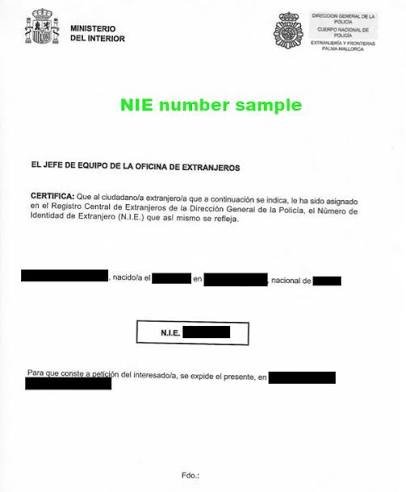
You receive the NIE the same day, on a white A4 sheet stamped by the police
01. What is an NIE number and who needs one
The NIE (Número de Identificación de Extranjero) is Spain's tax and identity number for foreigners. It is not the same as a residency permit. You can have an NIE without living in Spain permanently.
[Normal paragraph] You need an NIE to:
Register as autónomo (self-employed) with AEAT and Social Security
Open a business or personal bank account at most Spanish banks
Sign an employment contract or lease
Buy property or a vehicle
Pay taxes or receive income in Spain
EU citizens and non-EU citizens follow the same EX-15 process for a first NIE. The difference comes later: EU citizens can use their NIE as a permanent identifier without additional status, while non-EU citizens will typically also need a TIE (Tarjeta de Identidad de Extranjero) once they establish residency. This guide covers the NIE step only.
02. Gather your documents before booking
You need all of these at your appointment. Missing one means starting over with a new appointment date.
Form EX-15 (filled in and signed). Download it directly from the Spanish government portal: go to sede.administracionespublicas.gob.es, search for "EX-15", and download the PDF. Open it in Adobe Acrobat (not your browser) to fill it digitally, or print it blank and fill it by hand in capital letters. The form asks for: full name, nationality, passport number, date of birth, address in Spain (or your hotel address if you are not yet resident), and the reason for requesting the NIE. Leave the NIE field blank, the police fill that in.
Valid passport and two photocopies: one of the main page (photo + personal data) and one of the entry stamp page. Bring both even if the office only asks for one.
Tasa 790, código 012 receipt. See step 03 below for exactly how to pay this.
Justification document. A signed letter explaining why you need the NIE. Accepted documents: an employment contract or pre-contract signed by both parties, a letter from a notary confirming a property purchase, a letter from a company you are incorporating (on company letterhead, signed), or a letter from a public body. If you are registering as autónomo, a letter from your gestor on their letterhead stating that you intend to register as self-employed is accepted at most offices.
One passport-size photo. Not always required but some offices ask for it. Bring one to avoid being sent away.
03. Pay the NIE fee (Tasa 790, código 012)
The fee is 10.71 euros. Pay it before your appointment, not at the police station.
Option A: Pay online (fastest)
Go to sede.administracionespublicas.gob.es/pagina/index/directorio/tasa790
Fill in your personal data: name, passport number, nationality, address
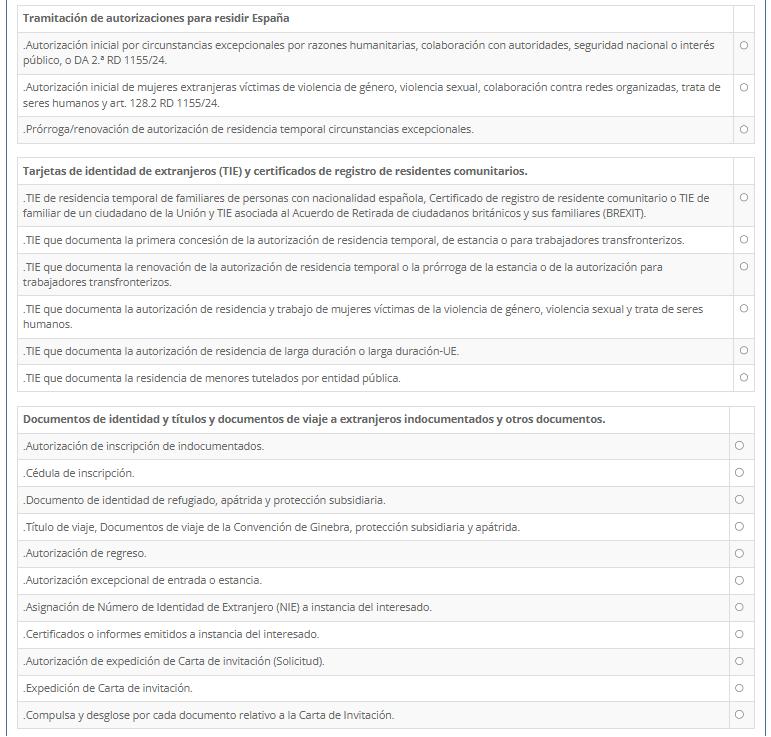
In the "concepto" field, select: "Certificado de registro de residente comunitario o Tarjeta de residencia de familiar de un ciudadano de la Unión / Asignación de NIE"
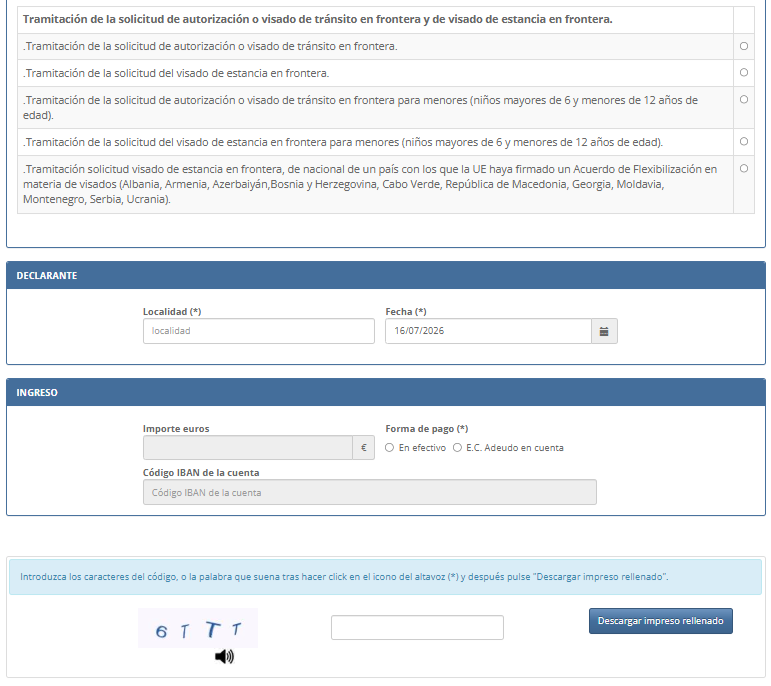
Pay by debit or credit card. You will receive a PDF receipt immediately.
Print the receipt or save it to your phone. You need to present it at the appointment.
Option B: Pay at a bank branch
Download the Modelo 790 PDF from the same URL above
Print it and fill it in by hand
Take it to any Spanish bank branch (Santander, BBVA, CaixaBank, Sabadell all work)
Tell the cashier: "Quiero pagar una tasa 790 código 012"
They stamp your copy and give you the stamped receipt. Keep it.
The receipt does not expire. Pay it once and bring it to your appointment.
04. Book your appointment
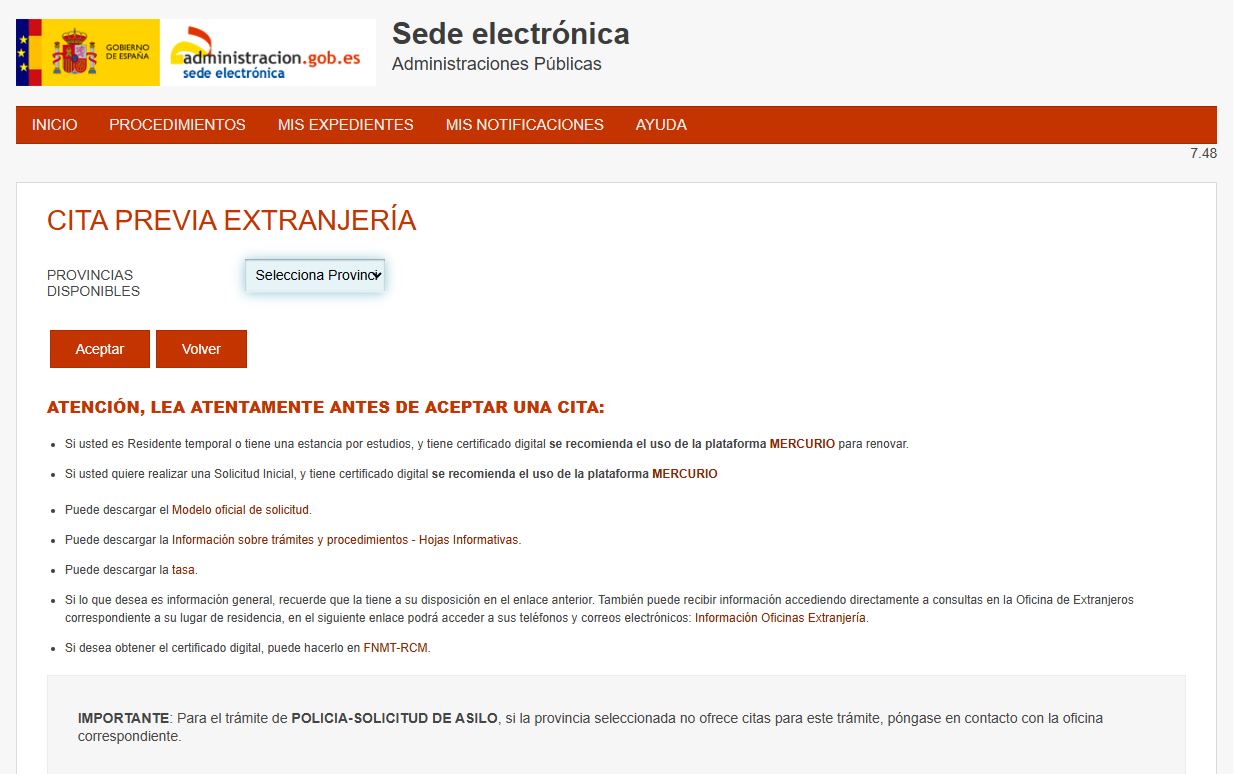
NIE appointments are booked through the Spanish government's central appointment system, not through individual police station websites.
Exact steps:
Go to icp.administracionespublicas.gob.es/icpplus (this is the official Cita Previa portal)
Select your province from the dropdown
Click "Aceptar"
In the next screen, select the procedure:
If you are an EU citizen: select "Policía - Certificado UE"
If you are a non-EU citizen: select "Policía - Asignación de NIE"
Click "Aceptar"
Enter your passport number and nationality when prompted
Select the nearest available office (Comisaria de Policía Nacional -Brigada de Extranjería)
Pick a date and time from the calendar
Confirm your email address. You will receive a PDF confirmation immediately.
Save the confirmation PDF. You need to show it at the police station entrance. Without it, they will not let you in.
If there are no available slots: This is common in Madrid, Barcelona, Valencia, and Málaga. Two options:
Check the portal every day at 8:00am, when new slots are released
Some provinces have a walk-in queue (cola de extranjería) on specific days. Call your local Comisaria on 091 and ask: "¿Hay cola libre para NIE esta semana?"
05. Attend the appointment
Arrive 10 to 15 minutes early. At the entrance, show your appointment confirmation PDF to the officer at the door. They will direct you to the foreigners' counter (ventanilla de extranjería).
What happens at the counter:
Hand the officer your full document set: EX-15 form, passport + photocopies, Tasa 790 receipt, justification document, and photo if you brought one
The officer checks that the EX-15 is correctly filled and that your justification document is valid
If everything is in order, they stamp and process your NIE on the spot. This takes 5 to 10 minutes.
You receive a white A4 sheet called the "Resguardo de asignación del NIE". It has your NIE printed at the top, the police stamp, and the officer's signature.
This white sheet is your NIE. There is no plastic card, no green card, no second document. The sheet has no expiry date.
Before you leave the police station: make two or three photocopies of the sheet. Banks, landlords, and government offices will ask for copies regularly, and you want to keep the original safe.
06. After you have your NIE
Your NIE stays the same for life. It does not expire and it does not change if you later become a resident or get a TIE.
What to do next:
Register as autónomo: Your NIE is required for both the AEAT registration (Modelo 036/037) and the Social Security registration (Modelo TA.0521). Full process: How to Register as a Freelancer in Spain
Open a bank account: Most Spanish banks accept your NIE document (the white sheet) together with your passport.
Get a NIF if you are operating as a business: The NIF is your tax ID for invoicing. For autónomos, the NIF is the same number as the NIE. For SLs, the company gets a separate NIF/CIF. More on this: What Is a Spanish VAT Number (NIF/CIF)?
Common mistakes when getting an NIE
No justification document. This is the most frequent reason appointments fail. The police need a reason for the NIE. A blank EX-15 and a passport are not enough on their own.
Wrong Tasa code. The NIE fee uses Tasa 790, código 012. Paying the wrong code (there are many Modelo 790 variants) means your receipt is invalid. Check the código before paying.
Photocopying only the passport photo page. Some offices want the entry stamp page copied too. Bring full copies of all passport pages to be safe.
Applying for a NIE when you need a TIE. If you are a non-EU citizen who has already been in Spain for more than 90 days and plan to stay long-term, you may need to apply for a TIE (residence permit) directly, not a NIE. The processes are different. Check your immigration status before booking.
Booking the wrong appointment type. The Interior Ministry booking system lists different appointment types. "Certificado de Registro de Ciudadanos de la UE" is for EU citizens. "Asignación de NIE" is the correct one for getting just an NIE number. Booking the wrong one means your slot may not cover your actual request.
Expecting a card or physical document. The NIE is issued on a plain A4 sheet. There is no card. If someone told you to expect a green card or a plastic document, they were describing the TIE (a different document).
How to get an NIE in Spain: frequently asked questions
How long does it take to get an NIE in Spain?
If you have an appointment at a Comisaria de Policía Nacional with all documents ready, you receive the NIE the same day, usually within 30 minutes of your slot. The wait to get an appointment is the variable: between one day and three weeks depending on your province and time of year.
Can I get an NIE without living in Spain?
Yes. Non-residents can get an NIE through a Spanish consulate in their home country before arriving, or on arrival in Spain if they have a valid reason. You do not need to be a resident. Many people get their NIE specifically to buy property or set up a business before relocating.
Is the NIE the same as the NIF?
For individuals, yes. Once you have an NIE, that number is also your NIF (Número de Identificación Fiscal) for tax purposes. You will use it on your invoices, tax filings, and bank accounts. For Spanish companies (SL), the company gets a separate NIF/CIF starting with the letter B.
Can I work or register as autónomo without an NIE?
No. The NIE is a prerequisite for registering as autónomo with AEAT and Social Security. You cannot file a Modelo 036/037 without it, and Social Security will not process your registration either. Getting the NIE should be the first step before any other admin.
Does the NIE expire?
No. The NIE is a permanent number. The white document issued to you has no expiry date. However, the TIE (residency card) does expire and must be renewed. The NIE itself never changes.
What is the NIE fee in 2026?
10.71 euros, paid via Modelo 790, código 012. The fee is set by the government and does not change frequently, but check the current amount on the Interior Ministry website before paying as it is updated occasionally.